
Unlocking Creative Potential with AI Video Generation in Brand Storytelling
The landscape of film production is undergoing a monumental shift as we move towards 2026, with AI-driven tools at the forefront of this transformation. Innovations in AI video generation, particularly through platforms like Runway AI and Luma AI, are not only enhancing the efficiency of video production but are revolutionizing the creative processes behind cinematic video creation and visual effects (VFX). These advancements are pivotal for creators, brands, and creative studios who are eagerly adopting these technologies to push the boundaries of storytelling and audience engagement.
To fully grasp the impact of these technologies, one must consider the capabilities of platforms like Cinematic AI that streamline the production process by automating tedious tasks and unlocking new realms of creative potential. This integration of AI into film production tools allows for a more seamless creation of complex visual narratives and dynamic content that was once thought impossible without extensive human input.
Enhancing Creativity with AI-Driven Visual Effects
The use of AI in creating stunning visual effects is perhaps one of the most exciting advancements in the industry. Tools like Luma AI have introduced machine learning techniques that can analyze and replicate realistic physical environments, drastically reducing the time and cost associated with traditional VFX production. This not only speeds up the workflow but also opens up possibilities for more complex and visually captivating scenes.
Real-Time Rendering and Simulation
With AI-driven tools, the ability to render and simulate environments in real-time has become a reality. This capability allows directors and VFX artists to make instant adjustments and see the results immediately, which enhances the creative decision-making process. It also allows for more iterative experimentation during the production phase, ensuring that the final product is as close to the director’s vision as possible.
Automated Video Editing
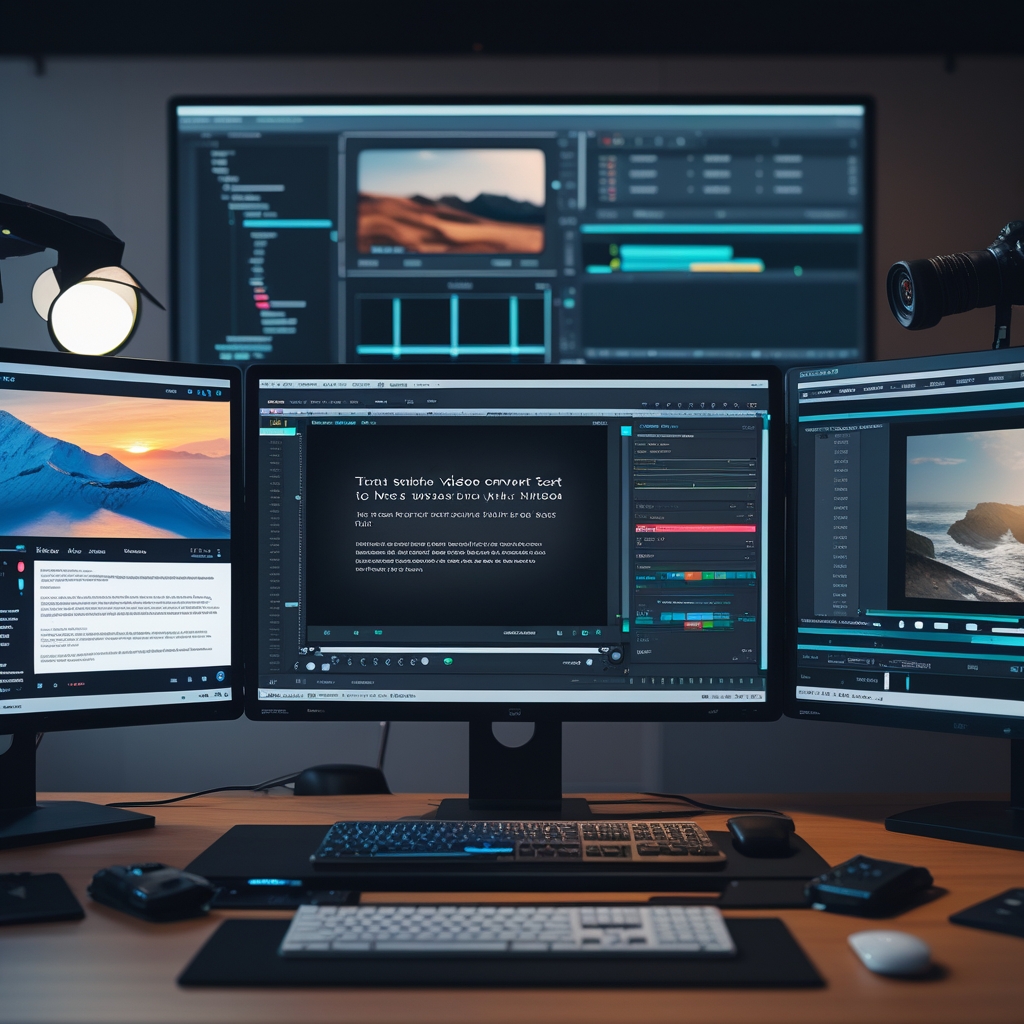
AI technologies have also transformed video editing by automating several aspects of the editing process, including color correction, sound design, and clip selection. This automation not only streamlines the production pipeline but also allows editors to focus on more creative aspects of film editing, pushing the boundaries of what can be achieved on screen.
Revolutionizing Storytelling with AI Video Generation
AI video generation technologies like Runway AI are redefining the way stories are told, allowing for the conversion of text and images directly into video sequences. This has significant implications for content creation, enabling brands and filmmakers to produce high-quality videos from minimal input, thus reducing production times and democratizing content creation.
Text to Video Capabilities
The ability to convert plain text into rich, engaging video content is perhaps the most groundbreaking aspect of AI video generation. This feature is incredibly useful for brands looking to quickly create content based on written scripts or story outlines. It ensures a consistent narrative flow and maintains high production values, making brand storytelling more compelling and accessible.
Scalability and Customization
AI-driven video production tools are designed to be highly scalable, accommodating projects of varying sizes and scopes. This scalability, coupled with advanced customization options, allows creators to produce unique, tailored content that stands out in a crowded media landscape.
Future Trends in AI Filmmaking
Looking forward, the integration of AI in film production is set to become more comprehensive, with AI not only being used in the creation of visual effects and video editing but also in scriptwriting, cinematography, and even directing. These tools are expected to become more intuitive and integrated directly into the creative process, providing filmmakers with unprecedented control over the visual and narrative elements of their projects.
Enhanced Collaborative Features
Future AI tools will likely focus on enhancing collaborative capabilities, allowing teams distributed across the globe to work seamlessly on projects. This will be particularly beneficial for international productions, where different elements of the production process are often handled in various parts of the world.
Greater Emphasis on Interactivity
As audiences seek more immersive experiences, AI tools will also evolve to support more interactive elements in film, such as virtual reality (VR) and augmented reality (AR). This will not only change how films are made but also how they are experienced, making the viewer an active participant in the narrative.
Conclusion
As we approach 2026, the role of AI in film production is only set to deepen, offering unprecedented opportunities for creativity and innovation. For creators, brands, and studios, embracing these AI-driven tools will be key to staying competitive in a rapidly evolving digital landscape. Harnessing the power of AI in filmmaking not only enhances the production process but also enriches the storytelling experience, making it more engaging and accessible to a global audience.
Embrace the future of filmmaking by integrating AI-driven tools into your production workflow today, and unlock new dimensions of creative potential that will set your content apart.