
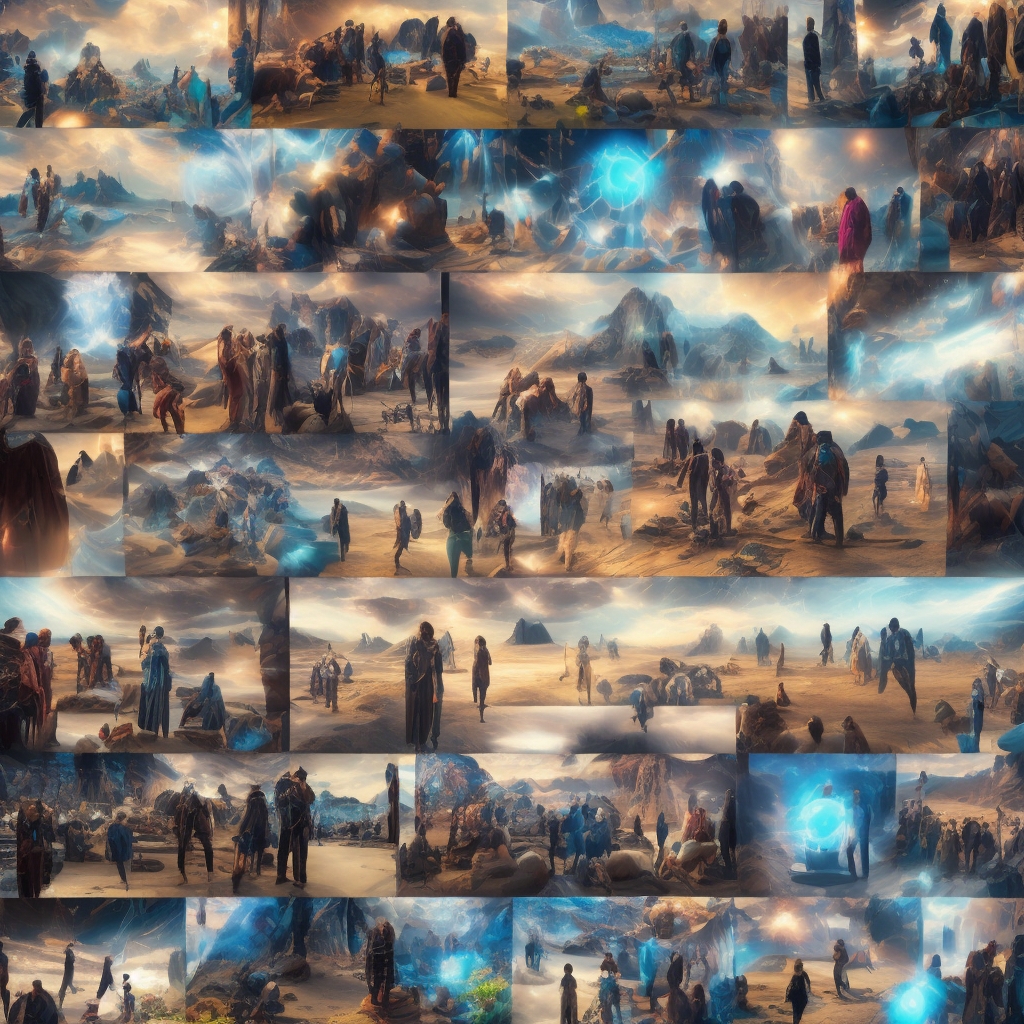
Revolutionizing Brand Storytelling with AI Video Generation
The landscape of film production is undergoing a monumental transformation with the advent of AI-driven cinematic trailers and AI video effects. These cutting-edge technologies are not just enhancing the way films are marketed but are fundamentally reshaping the art of visual storytelling. As we move into 2026, the integration of AI tools in the creative processes of filmmaking is becoming increasingly prevalent, offering unprecedented opportunities for creators, brands, and creative studios to push the boundaries of traditional narratives and visual representation.
One of the forefront innovators in this revolution is Cineocean AI, which has been pivotal in pioneering AI video generation technologies that transform simple text or images into rich, dynamic, and emotionally compelling videos. This leap in technology not only streamlines the production process but also democratizes content creation, allowing more creators to tell their stories with a cinematic flair previously reserved for high-budget productions.
AI-Driven Cinematic Trailers: The New Frontier
The creation of cinematic trailers, a key element in film marketing, has been particularly revolutionized by AI. Traditionally, trailers required extensive manual editing and a deep understanding of narrative pacing to capture and convey the essence of a movie in just a few minutes. Now, AI-driven tools can analyze the full content of a film, identify its most impactful scenes, and assemble them into a trailer that highlights the film’s key themes and emotional beats.
Enhanced Customization and Scalability
AI-driven trailers are not only faster to produce but also offer enhanced customization. Filmmakers can tweak the AI’s output to better target specific audiences or to test different versions for optimal audience engagement. This scalability makes it easier for films of all sizes to benefit from high-quality promotional materials, leveling the playing field between blockbuster and indie filmmakers.
Revolutionizing Visual Effects with AI
AI video effects are another area where technology is making significant strides. These tools use machine learning algorithms to create or alter video content, from simple color corrections to creating complex visual elements that would be too costly or time-consuming to produce physically.
Real-Time Rendering and VFX
With AI, real-time rendering of visual effects is becoming more commonplace. This innovation drastically reduces the time and resources needed for post-production processes, allowing creators to implement last-minute changes. Moreover, AI can generate realistic textures and environments, creating visually stunning scenes that are both cost-effective and captivating.

Future Trends in AI-Driven Film Production
As we look towards the future, several trends are poised to redefine the filmmaking landscape:
- Generative AI: Tools that can generate entire sequences or augment existing footage to create cohesive scenes without the need for extensive shoots.
- Deepfake Technology: For better or worse, deepfake technology is perfecting the art of creating hyper-realistic faces and voices of actors, potentially allowing deceased or aging actors to continue ‘performing’.
- Automated Storytelling: AI algorithms that can write scripts or assist in the creative process, potentially leading to a new era of narrative formats and storytelling techniques.
Implications for Creators and the Industry
The implications of AI in film production are profound. While these technologies can enhance creativity and reduce production costs, they also raise ethical concerns and questions about the originality and soul of AI-generated content. It is crucial for the industry to establish guidelines that encourage innovation while preserving the artistic integrity of the cinematic arts.

Conclusion: Embracing the AI Revolution in Filmmaking
As AI continues to evolve, its impact on film production is undeniable. For creators, brands, and studios, embracing these tools can lead to more creative freedoms, reduced costs, and the ability to engage with audiences in novel ways. However, it is equally important to navigate these changes thoughtfully, ensuring that the heart of storytelling remains intact. As we venture further into this new era, the potential for innovation is boundless, promising a thrilling chapter in the evolution of visual storytelling. Let’s embrace this revolution, explore its possibilities, and redefine what it means to tell stories through film.