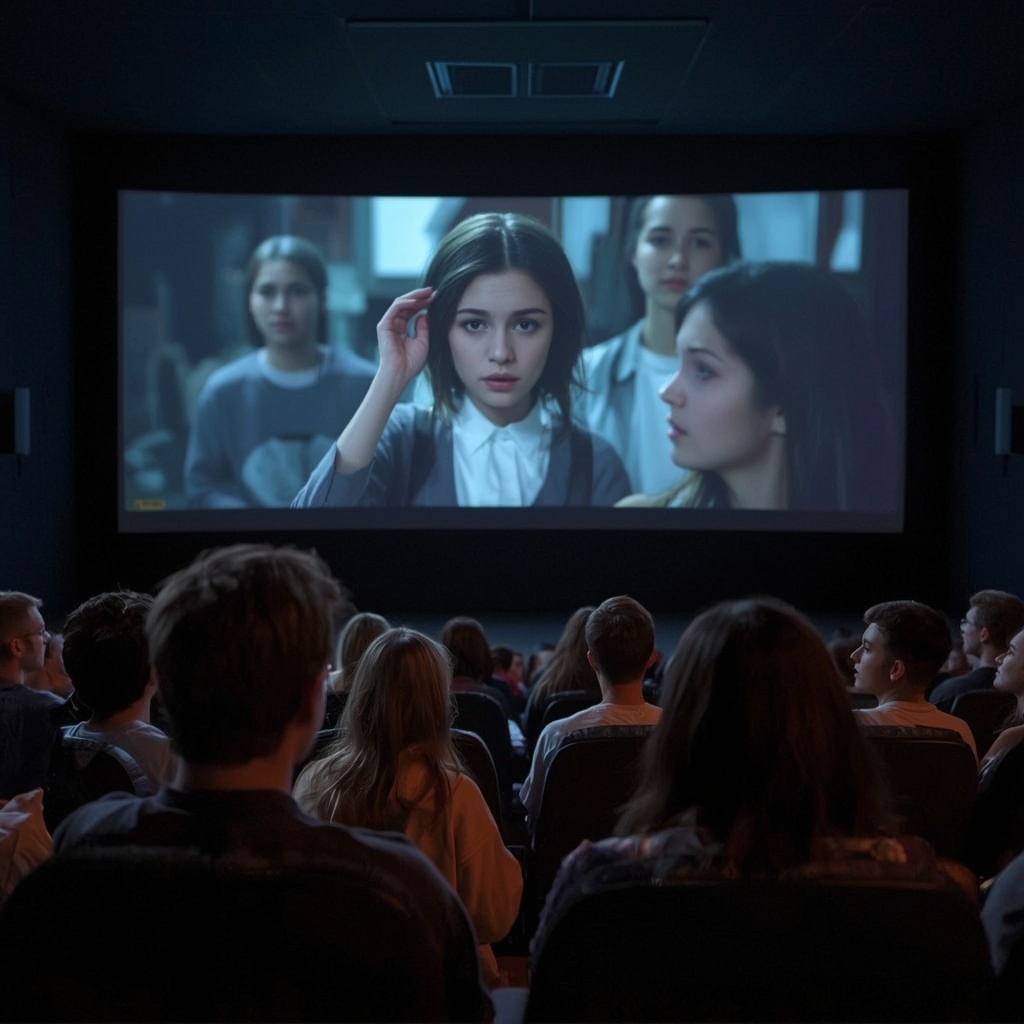
Unlocking Creative Potential with Cineocean AI in Modern Filmmaking
In the dynamic landscape of 2026, the convergence of AI video personalization and generative content is revolutionizing brand storytelling. Brands, creators, and creative studios are now empowered to unlock creative potential and engage audiences on a profoundly personal level. The integration of advanced AI filmmaking tools, including Cineocean AI’s innovative platforms, is at the forefront of this transformation, enabling a blend of cinematic quality and individualized viewer experiences.
The Evolution of AI in Brand Storytelling
The trajectory of AI in video production has been nothing short of remarkable. From the early days of simple text-to-video features, AI video generation tools have evolved to offer nuanced and complex video outputs that are tailored to the viewer’s preferences and behaviors. This evolution has not only enhanced the quality and efficiency of video production but also opened up new avenues for creative expression.
Personalization at Scale
One of the most game-changing aspects of AI in video production is the ability to personalize content at scale. Brands can now produce variations of the same video, each tailored to different segments of their audience, without the need for additional filming. This capability ensures that each viewer receives a message that resonates with their individual preferences, increasing engagement and loyalty.
Generative Video Content
Generative AI video technology has taken personalization a step further by allowing for real-time video modifications based on viewer interactions. This means that the story can change direction, visuals can alter, and even characters can adapt in response to viewer feedback. This level of interactivity is transforming passive viewers into active participants in the storytelling process.
Impact on Modern Filmmaking
The implications of AI video personalization and generative content extend beyond traditional marketing campaigns. They are rewriting the rules of engagement in the film and entertainment industries as well. Film producers and directors are now able to create more immersive and adaptive cinematic experiences, pushing the boundaries of traditional filmmaking.
Enhanced Viewer Engagement
With AI tools, filmmakers can craft experiences that adapt to the emotional responses of the audience, potentially altering the narrative in real-time to enhance engagement. This could mean altering the pace, tone, and even the storyline based on real-time audience feedback, creating a truly dynamic viewing experience.
Streamlined Production Processes
AI also simplifies many aspects of the filmmaking process, from pre-production to post-production. AI-driven analytics can help in scriptwriting by suggesting plot adjustments based on predicted viewer reactions. During filming, AI can assist in camera work, editing, and even in creating realistic visual effects, reducing the time and cost associated with these tasks.
Tools and Trends in AI Video Production
Several tools and trends are shaping the future of AI in video production. Advanced AI algorithms are capable of understanding and replicating human emotions, which plays a crucial role in creating personalized content. AI is also being used to convert static images into high-quality video segments, a technique that is gaining popularity among advertisers and filmmakers alike.
Key Tools in 2026
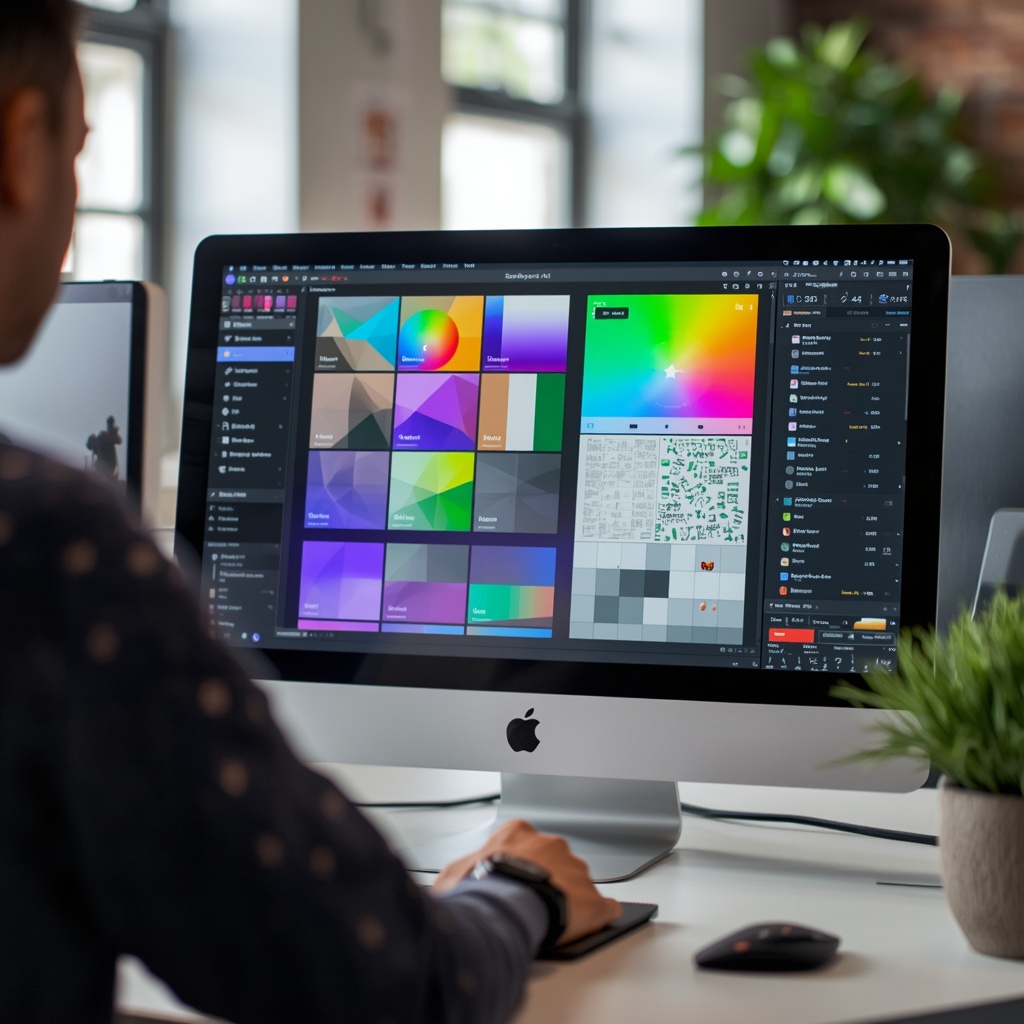
Leading the charge in AI video production tools are platforms like Cineocean AI, which offers comprehensive solutions from text-to-video generation to complex narrative structures based on viewer data. These tools are not only enhancing the creativity of filmmakers but also ensuring that content is more accessible and adaptable to global audiences.
Emerging Trends
One of the most exciting trends is the rise of AI in virtual reality (VR) filmmaking. AI is being used to create more lifelike and interactive VR environments, which are revolutionizing the way stories are told and experienced in virtual spaces. Another trend is the use of AI for environmental storytelling, where the setting itself adapts to enhance the narrative dynamically.
Conclusion: The Future of Filmmaking with AI
The integration of AI in video production and personalization is not just a technological advancement; it’s a cultural shift. As we move forward, the ability of AI to blend creativity with technology will continue to create new storytelling paradigms. For brands, filmmakers, and creative studios, embracing these tools will be crucial in crafting engaging, personalized, and impactful narratives.
As we continue to explore the possibilities of AI in filmmaking, the potential for groundbreaking storytelling is limitless. Whether you are a brand looking to connect with your audience on a deeper level or a filmmaker striving to push the boundaries of traditional narratives, the tools and techniques available today provide an unprecedented opportunity to innovate and captivate.