
Revolutionizing Brand Storytelling with AI Video Generation
In the rapidly evolving landscape of film and video production, the integration of AI technologies is not just a trend but a revolutionary shift that’s redefining how content is created and consumed. As we step into 2026, AI-powered video editors and AI-driven cinematic trailers have become pivotal tools, enabling filmmakers and studios to push the boundaries of creativity and efficiency. This transformation is particularly evident in the capabilities of platforms like Cineocean AI, which are at the forefront of harnessing AI for groundbreaking video production processes.
The use of artificial intelligence in cinematic production is not merely about automating tasks; it’s about enhancing the artistic vision and expanding the narrative possibilities. AI-driven tools now analyze scripts to suggest visual effects, generate realistic CGI characters, and even recommend camera angles that best convey the story’s emotional tone. This level of automation and insight is revolutionizing brand storytelling with AI video generation, making sophisticated filmmaking techniques more accessible and cost-effective.
The Impact of AI on Video Editing and Production
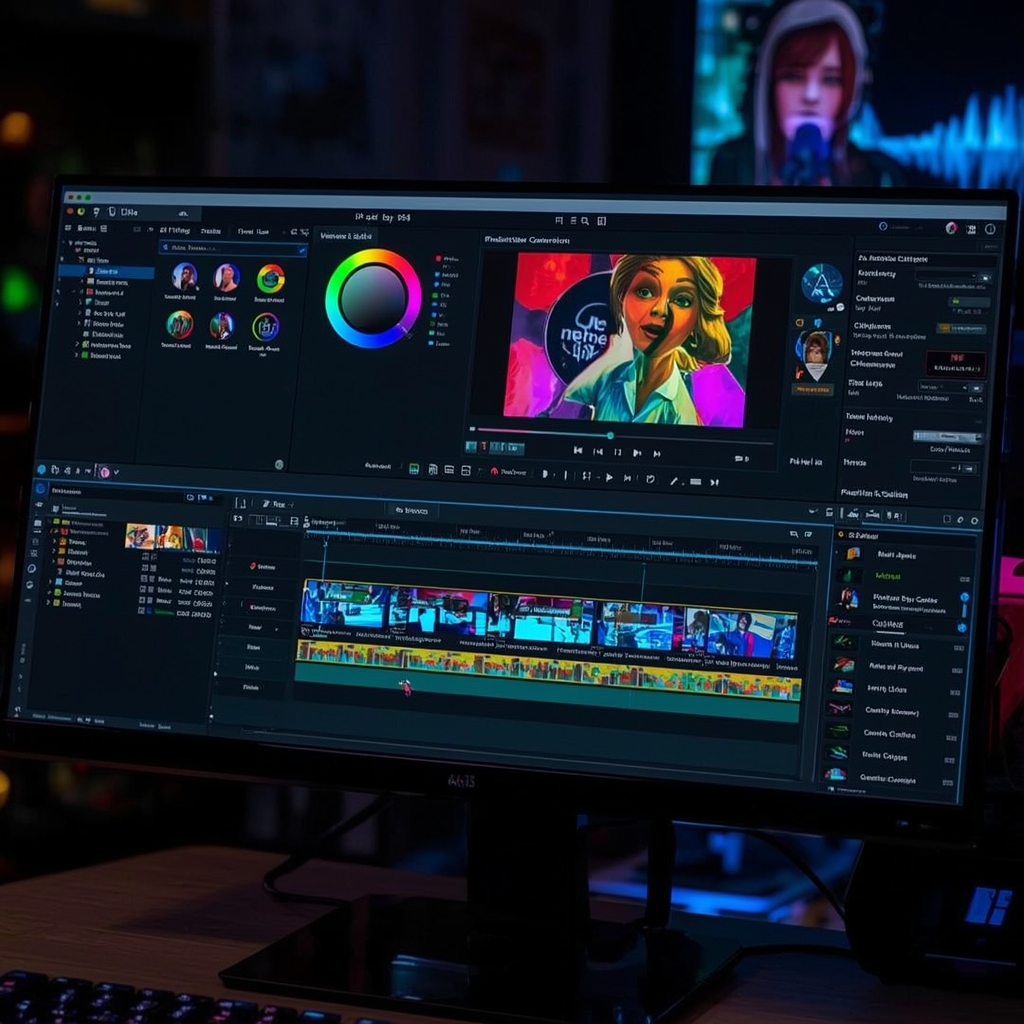
AI-powered video editors are transforming post-production by automating time-consuming tasks such as color correction, sound design, and clip selection. These intelligent systems learn from each edit, adapting to the editor’s style and making smarter suggestions over time. This not only speeds up the editing process but also ensures that the final product is polished and consistent with the creator’s vision.
Enhanced Creative Decision-Making
With AI assistance, filmmakers can experiment with different stylistic choices without the risk of costly reshoots or edits. AI algorithms can simulate various lighting conditions, camera movements, and even perform virtual test screenings to gauge audience reactions to different narratives or endings. This data-driven approach helps creators make more informed decisions during the filmmaking process.
Streamlining Workflow and Reducing Costs
AI tools integrate seamlessly into digital workflows, significantly reducing the manpower and hours needed to complete a project. By handling routine tasks, AI allows creative teams to focus on the more nuanced aspects of production, such as story development and character building. This efficiency not only cuts down on production costs but also reduces the time to market, a crucial advantage in a content-hungry era.
Revolutionizing Cinematic Trailers with AI
The creation of cinematic trailers, a vital tool for marketing upcoming releases, has also been transformed by AI technologies. AI-driven systems analyze entire films to extract the most impactful scenes and dialogues for trailers. This ensures that the trailers are not only captivating but also true to the film’s essence, increasing viewer engagement and anticipation.
Targeted Marketing with AI Analytics
AI-driven analytics play a crucial role in tailoring trailers for different demographics and platforms. By analyzing viewer data, AI systems can suggest customization of trailers to appeal to specific audiences, increasing the effectiveness of marketing campaigns.
Automated Localization and Formatting
AI tools automatically adjust trailers for various markets by localizing language, changing cultural references, and formatting videos according to the platform’s specifications, whether it’s a social media snippet or a full-length trailer for cinema screens. This global approach is essential for studios aiming to reach international audiences efficiently.

The Future of AI in Cinematic Production
As we look to the future, the potential for AI in film and video production is boundless. We are moving towards an era where AI not only assists creators but collaborates with them, offering creative insights and new perspectives. This partnership between human creativity and artificial intelligence promises to unlock new forms of storytelling and visual expression that were previously unimaginable.
Continued Innovation and Integration
The ongoing development of AI technologies will continue to enhance their capabilities in video production. We can expect more intuitive interfaces, greater integration with other digital tools, and even AI that can suggest narrative twists or character developments based on real-time global trending data.
Challenges and Considerations
Despite the advantages, the integration of AI in creative processes also presents challenges such as ensuring that it supports diverse storytelling without creating homogeneous content. Addressing these concerns is crucial for the sustainable development of AI tools that enhance rather than limit creative expression.

Conclusion
The revolution in cinematic production led by AI-powered video editors and AI-driven trailers is just beginning. As these technologies evolve, they will continue to transform how stories are told and experienced. For filmmakers and studios, embracing these tools means staying at the cutting edge of the creative industry. The future of filmmaking is here, and it is vividly AI-enhanced.
Explore the endless possibilities of AI in filmmaking with Cineocean AI. Step into the future of cinema, where your creative vision meets cutting-edge technology, and together, let’s redefine storytelling.