
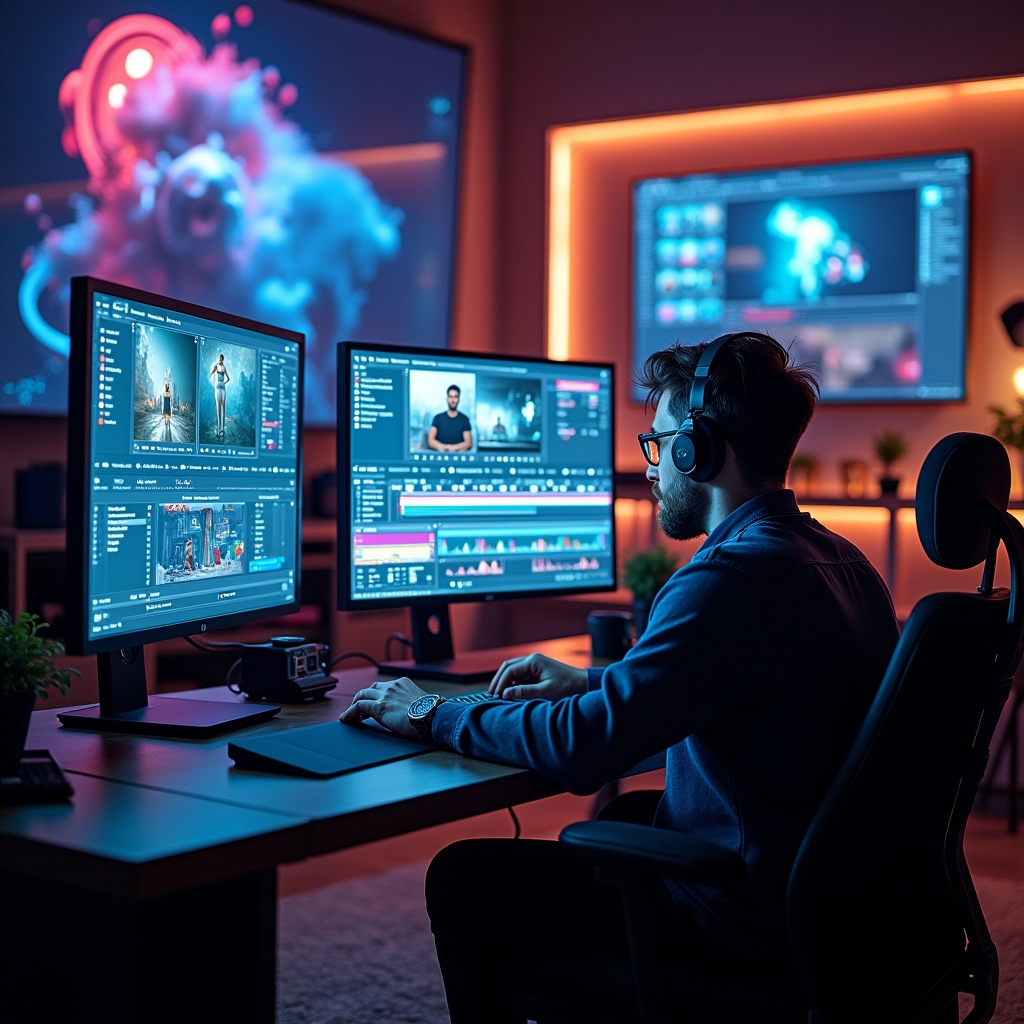
Unlock the Magic of AI Video Generation for Dynamic Brand Storytelling
In the rapidly evolving landscape of cinematic production, the year 2026 has seen a transformative shift with the integration of AI-driven tools like Runway AI and Luma AI. These platforms are not just enhancing the way films are made; they are revolutionizing the industry by democratizing sophisticated visual effects (VFX) and editing capabilities that were once only accessible to large studios. By leveraging these advanced tools, creators, brands, and creative studios are now able to produce high-quality content swiftly and more cost-effectively.
Understanding the impact of these technologies starts with recognizing their capabilities in modern video production. AI video production tools like AI filmmaking tools are pivotal in redefining narrative techniques, enhancing visual storytelling, and streamlining post-production processes. This article delves into how AI-driven tools are reshaping filmmaking, focusing on their role in creative development, production efficiency, and the broadening scope of VFX.
AI in Creative Development and Pre-production
One of the most significant contributions of AI in filmmaking is in the pre-production phase. Scriptwriting, storyboard generation, and scene planning have been profoundly impacted by AI capabilities. Tools like Runway AI facilitate the generation of detailed storyboards from textual descriptions, enabling directors and writers to visualize scenes accurately before a single frame is shot.
Scriptwriting and Conceptualization
AI-driven scriptwriting tools analyze vast datasets of film scripts to suggest plot points, character development arcs, and dialogue. This not only speeds up the scriptwriting process but also introduces a level of linguistic diversity and complexity that can be tailored to specific audiences.
Storyboarding and Scene Planning
Luma AI takes storyboard creation to the next level by transforming textual scene descriptions into vivid visual storyboards. This allows for rapid iteration and experimentation in the visual planning stage, significantly reducing the time and resources traditionally required.
Enhancing Production Efficiency
The actual shooting process has been streamlined by AI technologies. Cameras equipped with AI capabilities can automatically adjust lighting, focus, and framing to capture the best possible footage under any conditions. Furthermore, AI-driven tools assist directors and cinematographers in making real-time decisions about shot selection, camera angles, and actor placements, ensuring that every detail aligns perfectly with the envisioned outcome.
Automated Cinematography and Real-time Editing
AI algorithms are capable of analyzing hours of footage to recommend the best takes, reducing the workload on human editors and speeding up the post-production process. Additionally, AI-driven cameras can autonomously capture complex shots that would typically require significant human intervention, such as dynamic tracking shots or intricate aerial sequences.
Revolutionizing Visual Effects (VFX)
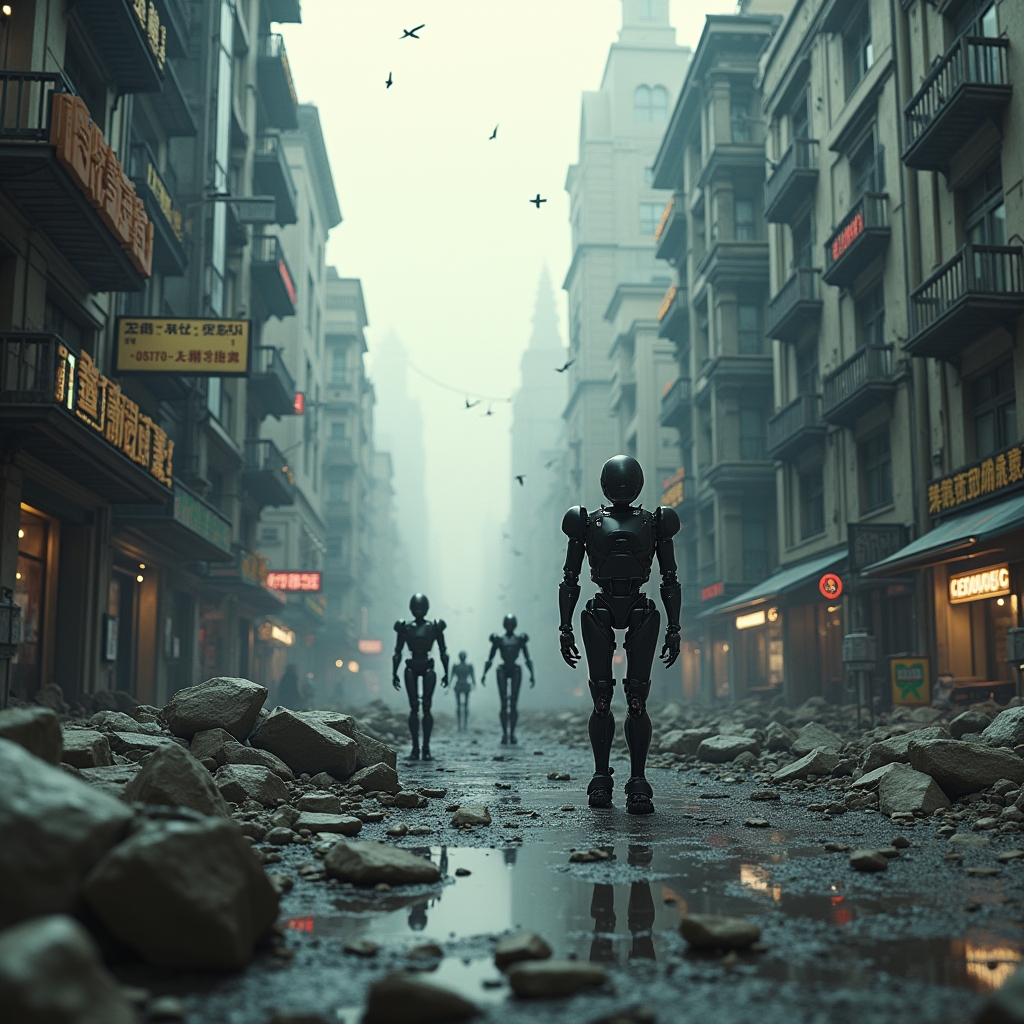
VFX is one area where AI has made an indelible impact, allowing for the creation of more realistic and complex effects at a fraction of the cost and time. Runway AI and Luma AI both offer tools that automate much of the VFX workflow, from initial effect design to final rendering.
Automated VFX Creation
These AI tools can generate detailed textures, 3D models, and animations based on simple input parameters. For instance, creators can instruct the AI to produce a realistic rain sequence or complex creature animations without the need for extensive manual modeling.
Real-time VFX Rendering
The ability to render VFX in real-time is perhaps one of the most groundbreaking advancements. This capability ensures that directors can make decisions based on almost immediately visible results, drastically reducing the iterative process of VFX adjustment in post-production.
In conclusion, AI-driven tools like Runway AI and Luma AI are not just supplementary elements in filmmaking; they are central to the creative and production processes in the industry today. By embracing these technologies, filmmakers and creatives are equipped to push the boundaries of what is possible in cinema. As we look to the future, the potential for further innovations in AI-driven filmmaking is boundless, promising even more tools that will continue to transform the cinematic landscape.
For creators, brands, and creative studios looking to stay at the forefront of video production technology, exploring the capabilities of AI video production tools is not just an option; it’s a necessity. Unlock the magic of AI video generation for dynamic brand storytelling, and revolutionize your creative output to captivate audiences like never before.