
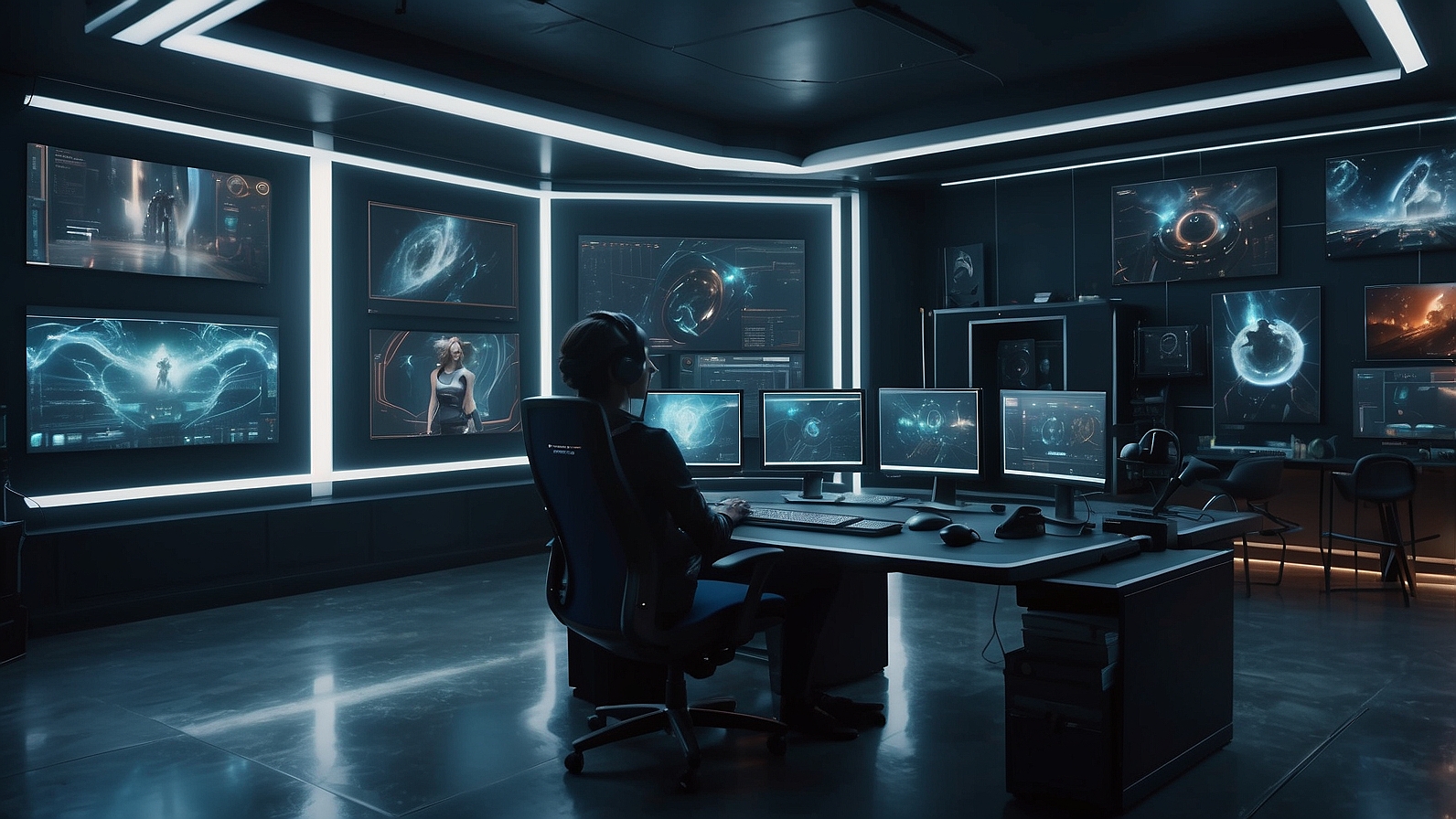
🎥 AI Filmmaking for Creators: Turning Ideas into Cinema with CineOcean
Filmmaking is a dream for many creators, but it often comes with steep costs, long production timelines, and logistical headaches. What if you could focus on your story instead of worrying about cameras, actors, or studios? With CineOcean, that’s exactly what’s possible.
CineOcean’s AI tools give you the power to turn ideas into cinematic experiences — from visuals to music to voices — all in one platform. Let’s explore how creators can make short films, experimental videos, or cinematic content without the traditional constraints.
From Idea to Script: Where Filmmaking Begins
Every film starts with an idea. This could be a story, a concept, or even just a mood you want to capture. The beauty of AI filmmaking is that you can start small and experimental.
- Jot down the core concept of your film
- Define the scenes you want to include
- Think about the emotions and atmosphere you want to convey
Even a rough outline is enough to start generating assets with AI. The key is to capture your vision clearly, so the AI has a direction to follow.
Bringing Your Scenes to Life with AI Images
Once you have your script or scene ideas, it’s time for visuals. CineOcean supports multiple image-generation models such as Leonardo, Nano Banana, Bytedance, Imagen, and CineOcean’s native models.
Here’s a simple workflow:
- Scene Concepting: Start with Nano Banana for quick drafts of each scene.
- Refinement: Use Leonardo or Imagen for polished, high-quality visuals.
- Consistency: Make sure characters, environments, and colors match across scenes.
Think of your generated images as digital storyboards — they help you visualize pacing, composition, and mood before moving to video.
Adding Motion: AI Video Generation
Still images are only part of the story. CineOcean’s MiniMax, Luma Ray 2, Veo 3, and SeedDance allow you to bring your scenes to life:
- MiniMax for fast draft animations
- Luma Ray 2 for smooth and balanced video generation
- Veo 3 for cinematic-quality scenes
- SeedDance for experimental, artistic motion
Start with fast models to test motion and timing, then switch to high-quality models for final output. This approach saves time while maintaining quality.
Music and Sound: Setting the Emotional Tone
No film is complete without sound. AI-generated music via Lyria can provide:
- Background scores for each scene
- Emotional underscoring for dramatic moments
- Looped music for short clips or transitions
Describe the mood, tempo, and style in your prompts, and you can generate scene-specific music instantly.
Voice Acting Without a Studio
Dialogue and narration? CineOcean has you covered with Chirp and MiniMax voice models:
- Generate narration for scenes
- Create multiple character voices
- Adjust tone, pacing, and emotion easily
No actors, no recording studio — just your script and the AI.
Iteration is the Secret Weapon
One of the most powerful aspects of AI filmmaking is the ability to iterate rapidly. You can:
- Regenerate images if a scene doesn’t feel right
- Test multiple music tracks for the same moment
- Try different voice tones for narration or characters
This allows creators to experiment freely, often producing results that would be impossible in traditional production workflows.
Tips for Human-Like, Cinematic Results
- Start with rough drafts: Focus on ideas first, polish later
- Be specific in prompts: Include mood, lighting, style, and emotion
- Maintain visual consistency: Reuse character and environment descriptions
- Layer your assets thoughtfully: Combine images, video, music, and voice to tell a cohesive story
The closer your prompts and plans are to a real film workflow, the better the AI can deliver cinematic results.
Final Thoughts
AI filmmaking on CineOcean doesn’t replace creativity — it amplifies it. Independent creators, small studios, and experimental filmmakers can now turn ideas into short films without being limited by budget, equipment, or logistics.
From rough concepts to polished cinematic moments, CineOcean provides all the tools you need to make your story come alive. Your imagination is the only limit.