
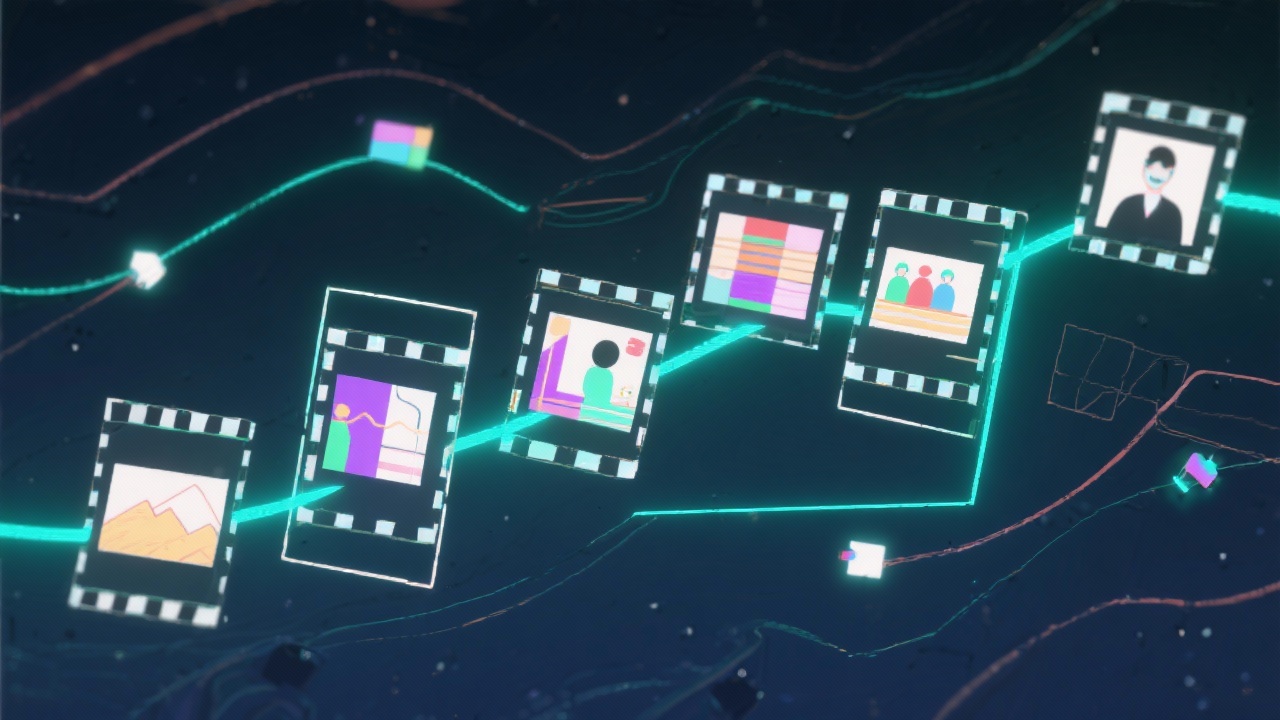
🎬 How to Create a Complete Short Film Using CineOcean AI Tools
Creating a short film has traditionally required a team, equipment, locations, actors, and a significant amount of time. Today, AI changes that process completely. With CineOcean AI tools, creators can move from an idea to a finished short film using a streamlined, digital-first workflow.
CineOcean brings together image generation, music creation, and voice generation in one place, allowing filmmakers and creators to focus on storytelling rather than production logistics. This guide walks you through the process of creating a complete AI-assisted short film step by step.
Step 1: Start with a Clear Story Idea
Every short film begins with a simple concept. Before generating anything, define:
- The core idea or message
- The mood or tone
- The length of the film
- The type of visuals needed
Short films work best when the story is focused and emotionally clear. A strong idea makes every AI-generated asset more coherent.
Step 2: Write a Simple Script
A script doesn’t need to be complex. Even a one-page script can guide the entire film.
Focus on:
- Key scenes
- Basic dialogue or narration
- Emotional beats
- Scene transitions
This script will later be used for voice generation and visual planning.
Step 3: Plan Visuals with AI Image Generation
AI image generation on CineOcean allows you to create:
- Environments
- Characters
- Key story moments
- Visual transitions
Start by generating rough images for each scene. These images act as your visual blueprint, helping you define composition, lighting, and mood.
Fast image generation models are especially useful at this stage because you can iterate quickly and explore multiple visual styles.
Step 4: Refine Visual Style and Consistency
Once the general look is established, refine prompts to maintain visual consistency:
- Reuse character descriptions
- Keep lighting and color palettes consistent
- Use similar framing across scenes
This step ensures the film feels unified rather than fragmented.
Step 5: Create the Film’s Soundtrack with AI Music
Music defines the emotional rhythm of your short film. With AI music generation on CineOcean, you can create:
- Intro and outro music
- Background scores for scenes
- Ambient soundscapes
Describe the mood, pacing, and emotional intensity of each scene. You can generate multiple variations until the music aligns perfectly with the story.
Step 6: Generate Voices for Dialogue or Narration
AI voice generation allows you to bring your script to life without recording equipment or actors.
Best practices include:
- Writing natural, conversational dialogue
- Using punctuation to control pacing
- Matching voice tone to character or narrator personality
You can regenerate voices as many times as needed until they sound right.
Step 7: Assemble the Short Film
Once you have visuals, music, and voices, the final step is assembly. This is where everything comes together:
- Arrange images in sequence
- Layer music and voice audio
- Adjust timing and transitions
The result is a complete short film created entirely with AI-assisted tools.
Why CineOcean Works for Short Film Creation
CineOcean simplifies filmmaking by removing technical barriers. Instead of switching between multiple tools, everything lives in one ecosystem.
Key benefits include:
- Faster production cycles
- Lower costs
- Creative freedom
- Easy iteration and experimentation
This makes CineOcean ideal for independent creators, students, and storytellers exploring new formats.
Common Mistakes to Avoid
- Overcomplicating the story
- Generating too many styles at once
- Ignoring sound design
- Rushing the planning phase
AI works best when guided by clear creative intent.
Final Thoughts
AI doesn’t replace creativity — it amplifies it. With CineOcean, creating a short film becomes less about logistics and more about ideas, emotion, and storytelling.
Whether you’re experimenting, learning, or publishing content, CineOcean gives you the tools to turn imagination into a finished film.